What to Do in Rome: 20 Best Things to Do and a 3-Day Plan
 The WhatToDoIn.eu Editorial Team
The best things to do in Rome on a first visit are the Colosseum and Roman Forum, Vatican Museums and St. Peter's Basilica, Pantheon, Trevi Fountain, Piazza Navona and an evening in Trastevere. Three full days is enough for this core route if you reserve the Colosseum and Vatican Museums before the trip.
Rome is easier when you plan by area. Ancient Rome fills one day, Vatican City and Prati fill another, and the historic centre connects naturally to Trastevere on the third. Trying to cross the city for a scattered checklist wastes time and energy. This guide explains what deserves a ticket, what is free and what to skip when your schedule is tight.
What are the best things to do in Rome?
For a first trip to Rome, prioritize these 10 experiences:
1. Enter the Colosseum and walk through the Roman Forum and Palatine Hill. 2. See the Sistine Chapel and Vatican Museums. 3. Visit St. Peter's Basilica and St. Peter's Square. 4. Step inside the Pantheon. 5. Walk between Piazza Navona, Trevi Fountain and the Spanish Steps. 6. Spend an evening in Trastevere. 7. See Bernini and Caravaggio at Galleria Borghese. 8. Explore Monti after visiting Ancient Rome. 9. Eat Roman pasta in Testaccio or another residential neighbourhood. 10. Take in a city view from the Janiculum, Orange Garden or Pincian Hill.
This is a workable shortlist, not a demand to see everything. The Colosseum, Vatican Museums and Galleria Borghese need the most advance planning.
How many days do you need in Rome?
Three full days is the sensible minimum for a first visit to Rome. Two days can cover the Colosseum area, Vatican City and part of the historic centre, but the pace will be demanding. Four days gives you time for Galleria Borghese, Appian Way or a slower food-focused afternoon. Add a fifth day if you want a day trip.
Count arrival and departure days carefully. A flight landing at midday rarely leaves enough time for a timed museum after airport travel, check-in and delays.
| Trip length | What fits comfortably | Main compromise |
|---|---|---|
| 1 day | Ancient Rome or Vatican City, plus an evening walk | Choose one major zone |
| 2 days | Ancient Rome, Vatican City and historic-centre highlights | Little neighbourhood time |
| 3 days | Main sights, Trastevere, Monti and one museum | Skip a day trip |
| 4 to 5 days | A slower city plan plus Appian Way or a day trip | Keep one day flexible |
How should you spend three days in Rome?
Day one: book the Colosseum for the morning, then continue through the Roman Forum and Palatine Hill. Eat and rest in Monti before walking past the Imperial Fora and Piazza Venezia. Finish at the Capitoline Hill viewpoint or in Monti.
Day two: reserve the Vatican Museums for the morning. Visit St. Peter's Basilica before or after, depending on queues and your ticket time. Cross toward Castel Sant'Angelo, then eat in Prati or walk along the Tiber.
Day three: start at the Pantheon and connect Piazza Navona, Campo de' Fiori, Trevi Fountain and the Spanish Steps on foot. Cross to Trastevere in the late afternoon. If art matters more than shopping streets, replace part of this route with Galleria Borghese.
Useful links: Follow the complete three-day Rome itinerary
How do you visit the Colosseum, Roman Forum and Palatine Hill?
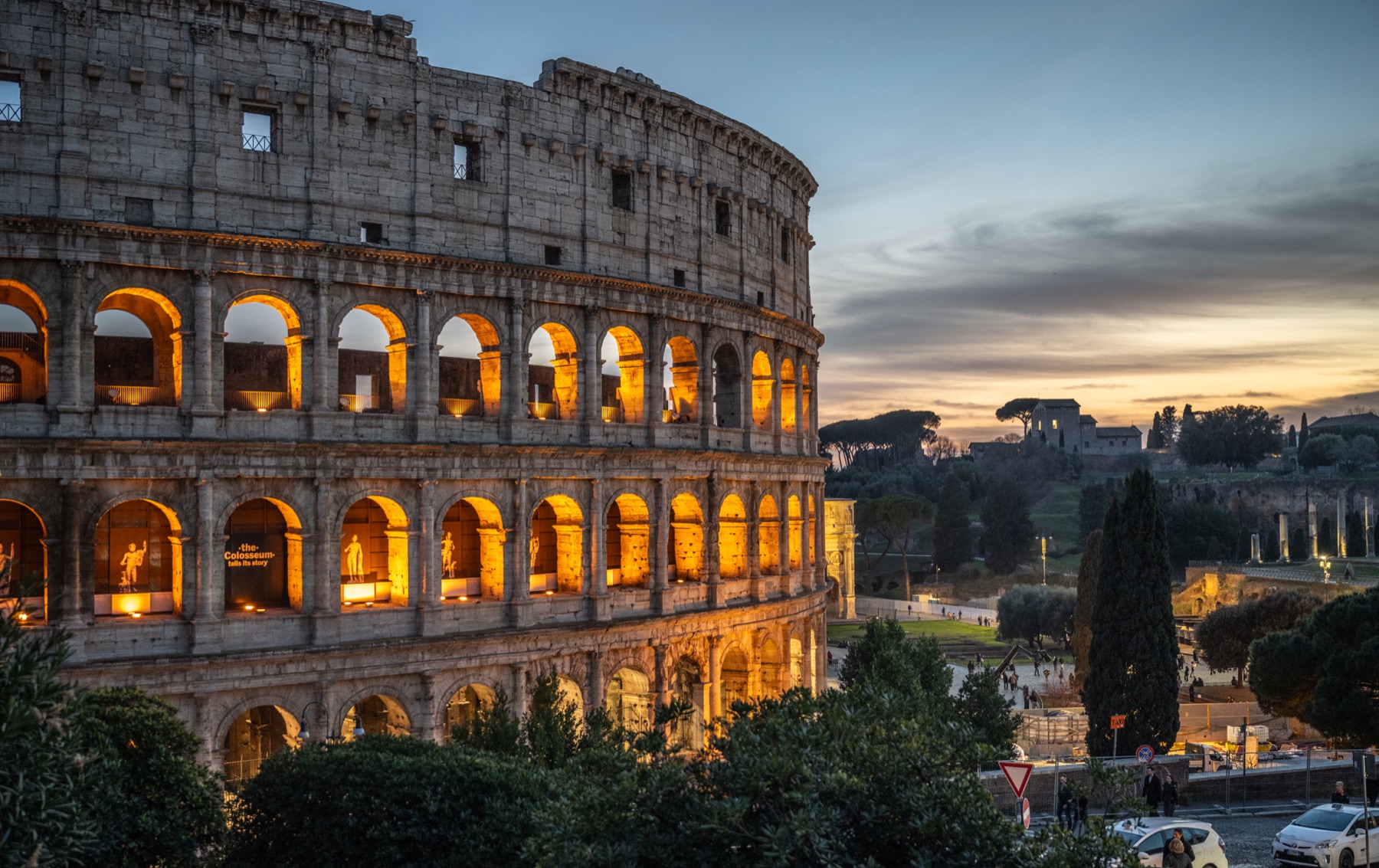
Treat the Colosseum, Roman Forum and Palatine Hill as one half-day archaeological visit. The official ticket includes the three areas, while special routes may add the arena, underground spaces or attic. A timed reservation is compulsory for the Colosseum. Official sales currently open 30 days before the visit date.

Book through the archaeological park's ticket site and carry identification because tickets are issued in the visitor's name. Start early in hot weather. The Forum has uneven stone, limited shade and far more ground to cover than the arena suggests. Bring water and shoes that cope with rough surfaces.
Useful links: Official Colosseum opening times and ticketsRead the complete Colosseum and Roman Forum guide
What is the best way to visit the Vatican Museums and St. Peter's Basilica?
Give Vatican City most of a day rather than squeezing it between unrelated sights. The Vatican Museums and Sistine Chapel use a separate entrance from St. Peter's Basilica, and security queues affect both. Buy museum tickets only from the official Vatican portal. The Museums are open Monday to Saturday and on the last Sunday of the month under a shorter free-entry schedule, subject to the official calendar.

St. Peter's Basilica is separate from the Museums. Modest dress is required, and large bags slow security. The dome adds stairs, time and a broad view of the square. Skip it if the museum has already exhausted you.
Useful links: Official Vatican Museums visitor informationOfficial Vatican Museums ticket portalRead the complete Vatican City and Vatican Museums guide
Do you need a ticket for the Pantheon?
Yes. The Pantheon requires a ticket for ordinary tourist entry. From 1 July 2026, the standard entrance price is €7. Buy through the Musei Italiani portal or app, or use the official ticket office and machines on site. Entry for worship follows different rules because the Pantheon is also the Basilica of Santa Maria ad Martyres.
The interior visit is compact, but it deserves more than a quick photograph. Look at the coffered dome, central oculus and the relationship between the circular room and portico. Pair it with Piazza Navona, which is about a short walk away.
Useful links: Official Pantheon visitor and ticket information
Is the Trevi Fountain free to visit?
The upper piazza view remains free, but the closest controlled area beside the basin now costs €2 for tourists and non-residents from 9:00 to 22:00. The rule took effect on 2 February 2026. Access is free for eligible groups listed by the city and outside the controlled hours, though maintenance or public-order measures can change access.

Visit early if you want space, or accept that this is one of Rome's busiest stops. Trevi works best as part of a walk between the Pantheon and Spanish Steps, not as a separate cross-city journey.
Useful links: Official Trevi Fountain access information
Which Rome piazzas should you see?
Piazza Navona, Piazza di Spagna, Piazza del Popolo and Campo de' Fiori are easy to combine with nearby sights. Piazza Navona has Bernini's Fountain of the Four Rivers and sits close to the Pantheon. Piazza di Spagna leads to the Spanish Steps and Pincian Hill. Piazza del Popolo opens into Villa Borghese.
Campo de' Fiori is a morning market square that changes character later in the day. Do not build a route around every famous square. Choose the ones that connect places you already plan to visit.
What should you do in Trastevere?
Visit Trastevere in the late afternoon and stay for dinner. Start at the Basilica of Santa Maria in Trastevere, wander the smaller lanes away from the busiest restaurant strips, then climb toward the Janiculum if you want a viewpoint. The neighbourhood is atmospheric, but it is not a hidden local secret and its central streets become crowded.

For a more useful food plan, reserve a restaurant you genuinely want or walk toward Testaccio rather than choosing the first menu beside Piazza Trilussa.
Useful links: Official Rome tourism guide to Trastevere
What is there to do in Monti?
Monti is the best neighbourhood to pair with the Colosseum. Its streets sit between the ancient sites, Santa Maria Maggiore and Via Nazionale. Stop around Piazza della Madonna dei Monti, visit San Pietro in Vincoli for Michelangelo's Moses, or reserve the Domus Aurea when its limited opening schedule matches your trip.
The area has cafés, small shops and evening bars, which makes it more useful as a break from archaeology than another list of monuments.
Useful links: Official Rome tourism guide to Monti
Which Rome museums are worth adding?
Choose Galleria Borghese for Bernini, Caravaggio and a focused two-hour visit. Advance booking is compulsory. The Capitoline Museums fit naturally after Ancient Rome and cover sculpture, painting and the city's history. Palazzo Massimo is a stronger choice for ancient frescoes and mosaics with fewer crowds.
MAXXI suits modern architecture and contemporary art, while Centrale Montemartini places classical sculpture inside a former power station. Pick one museum according to your interests. Rome already provides enough visual information outdoors.
Useful links: Galleria Borghese official visitor informationRome civic museum information
What are the best free things to do in Rome?
Rome's churches, piazzas, viewpoints and streets provide a full free day. St. Peter's Basilica has free general admission, although security queues apply and the dome costs extra. Other free churches contain major works, including San Luigi dei Francesi, Santa Maria del Popolo and San Pietro in Vincoli.
Walk the Appian Way, look over the Forum from Capitoline Hill, visit the Orange Garden and cross the city through its public squares. The Trevi Fountain's upper piazza view is free even though the closest basin area now uses a ticket during controlled hours.
Useful links: See all free things to do in Rome
What food should you try in Rome?
Rome's four familiar pasta dishes are carbonara, cacio e pepe, amatriciana and gricia. Try supplì for a quick fried snack, carciofi when artichokes are in season, and pizza al taglio sold by weight. Jewish Roman cooking around the Ghetto has its own history and dishes, including carciofi alla giudia.
Testaccio is a sensible neighbourhood for traditional food, while Trastevere has both excellent kitchens and tourist traps. Check recent menus, reserve popular small restaurants and avoid assuming that a view of a monument guarantees a good meal.
What can you do in Rome with kids?
With children, shorten the archaeological visits and add hands-on or outdoor time. The Colosseum usually holds attention better than several hours in the Forum. Explora children's museum suits younger children, while Villa Borghese has open space, bike rentals and the Bioparco zoo. A gladiator school or catacomb tour may work for older kids.
Strollers struggle with cobbles, stairs and crowded buses. Plan one reserved attraction per day, carry water and use taxis selectively when a long transfer would consume the family's remaining patience.
Useful links: Official Rome tourism ideas for familiesRead the complete Rome with kids guide
What should you do in Rome when it rains?
Use wet weather for the Vatican Museums, Capitoline Museums, Palazzo Massimo, Centrale Montemartini or Galleria Borghese. Churches are useful short stops, but dress requirements still apply. The Pantheon is memorable in rain, though the open oculus means part of the floor becomes wet and barriers may redirect visitors.
Do not assume rain will remove queues. Move a flexible museum into the forecast rather than trying to buy a sold-out Vatican or Colosseum ticket that morning.
What is there to do in Rome at night?
Walk the historic centre after dark, when the Pantheon, Piazza Navona and fountains are illuminated and daytime groups have thinned. Trastevere, Monti and Testaccio all work for dinner and drinks, but offer different moods. Trastevere is busiest, Monti is convenient after the Colosseum, and Testaccio is more food focused.
Check current schedules for evening openings at the Colosseum, Castel Sant'Angelo and other monuments. These programmes are seasonal and should not be treated as permanent.
What can you do in Rome besides sightseeing?
Spend a morning shopping at a food market, take a cooking class, walk or cycle a quiet section of the Appian Way, or sit through an unhurried lunch. Villa Doria Pamphilj and Villa Borghese provide a break from stone and traffic. Football supporters can check the schedules for AS Roma and Lazio, while music ranges from opera to small jazz venues.
Rome improves when one half-day has no headline monument. It gives you room for the city rather than another security line.
How do you get around Rome?
Walk within each central zone, use the metro for longer cross-city journeys and treat buses as useful but traffic dependent. ATAC operates metro, buses and trams. Its BIT ticket currently costs €1.50 and lasts 100 minutes; 24, 48 and 72-hour products are also available. Contactless Tap & Go works across the ATAC network.
Tap the same card or payment device whenever you change services within the ticket period. Each traveller needs a separate payment method. For airport journeys, check the Leonardo Express, regional trains and buses separately because ordinary city tickets do not cover every airport connection.
Useful links: Official ATAC Rome tickets and passesOfficial ATAC contactless guidance
Is the Roma Pass worth buying?
The Roma Pass is worthwhile only when its included museums and transport match your plan. The official card comes in 48 and 72-hour versions, includes public transport and provides free or reduced admission under its current terms. Vatican Museums are not part of Rome's municipal museum network, so do not assume the pass covers them.
Price your chosen sights separately before buying. Reservations can still be required even when admission is included, and using a pass does not create a sold-out time slot.
Useful links: Official Roma Pass inclusions and prices
When is the best time to visit Rome?
April to May and late September to October usually suit long walking days better than peak summer. July and August can be very hot, so reserve early entrances and protect the middle of the day. Winter is cooler and can be wet, but major indoor sights remain busy.
Sundays need extra planning. The Vatican Museums normally close except on the last Sunday of the month, when a shorter free opening operates. Churches may restrict tourist access during Mass. Italy's first-Sunday museum initiative can create free entry at participating state sites, along with substantial queues.
Which day trips from Rome are worthwhile?
Choose Ostia Antica for archaeology, Tivoli for Villa d'Este and Hadrian's Villa, Orvieto for a hill town reached by train, or Naples for food and a completely different city. Pompeii is possible as a long day, but the transport and site deserve careful planning.
Do not take a day trip on a two or three-day first visit unless it matters more to you than a major Rome zone. With four or five days, Ostia Antica is the easiest thematic extension to the ancient city.
| Day trip | Best for | Planning note |
|---|---|---|
| Ostia Antica | Roman streets and archaeology | Simple regional journey |
| Tivoli | Villas, gardens and architecture | Two separate major sites |
| Orvieto | Hill-town atmosphere and cathedral | Train plus funicular |
| Naples | Food, museums and city energy | Use a fast train |
Useful links: Browse more day-trip guidesCompare the best day trips from Rome
What should you book before visiting Rome?
Book the Colosseum, Vatican Museums and Galleria Borghese before the trip. Add the Pantheon if you want a fixed time, and reserve any restaurant or evening event that would disappoint you to miss. Buy from official sites where possible; search results often place marked-up resellers above the attraction itself.
Leave churches, piazzas, viewpoints, neighbourhood walks and most meals flexible. The best Rome schedule has two anchors per day at most, with nearby places filling the space between them.
Useful links: Browse all European destinationsCompare with our Paris guideBrowse museum guidesBrowse attraction guidesCompare the best areas to stay in Rome
Frequently Asked Questions
Visit the Colosseum, Roman Forum, Vatican Museums, St. Peter's Basilica, Pantheon, Trevi Fountain and Piazza Navona. Add an evening in Trastevere and group each day by area.
Keep exploring
Discover more destinations and curated things to do across Europe.