3 Days in London: A Practical First-Time Itinerary
 The WhatToDoIn.eu Editorial Team
Three days in London is enough for Westminster, the Tower of London, a Thames walk, one major museum and an evening in the West End. It is not enough for every famous market, palace and neighbourhood. The plan below protects time for the places that need it and keeps each day within one part of the city.
Book the Tower of London, Westminster Abbey and any fixed theatre performance first. Leave free museums and outdoor walks flexible. On day one, cover Westminster and the West End. Day two follows the river from the Tower to South Bank. Day three combines one museum with a nearby park or neighbourhood.
This itinerary assumes three full sightseeing days and a moderate walking pace. Each day includes an easier alternative, because a delayed train, heavy rain or tired feet should require one sensible cut rather than a complete rewrite.
Is 3 days enough in London?
Yes. Three full days is enough to see London's defining landmarks and spend time inside two or three attractions. You will need to choose between competing museums and neighbourhoods, and a day trip is rarely a good use of such a short first visit.
The common mistake is counting pins rather than hours. Westminster Abbey and the Tower of London can each occupy much of a morning once entry, security and the visit itself are included. London also rewards walking between nearby places, so this plan treats the streets, parks and river as part of the trip rather than dead time.
| Day | Main area | Priority booking | Flexible part |
|---|---|---|---|
| Day 1 | Westminster and West End | Westminster Abbey or theatre | Parks and National Gallery |
| Day 2 | Tower, City and South Bank | Tower of London | Borough Market and riverside walk |
| Day 3 | Bloomsbury or South Kensington | Usually none for a free museum | Park and neighbourhood choice |
Useful links: Compare the complete London guideOfficial first-time London itinerary
What should you book before a three-day London trip?
Book one morning at the Tower of London and a separate slot at Westminster Abbey. Reserve a West End performance if a particular production matters to you. Free museum tickets can help at busy times, but they should not control the entire trip.
Check the official attraction calendar for your exact date before fixing the order. Westminster Abbey is a working church, and sightseeing access changes around services and special events. Tower buildings, routes and Yeoman Warder tours can also change. Book direct with the attraction or an official theatre seller, then save the confirmation offline in case mobile reception is poor at the entrance.
Useful links: Westminster Abbey visitor informationTower of London opening informationOfficial London Theatre tickets
Day 1 morning: Westminster Abbey, Parliament and St James's Park
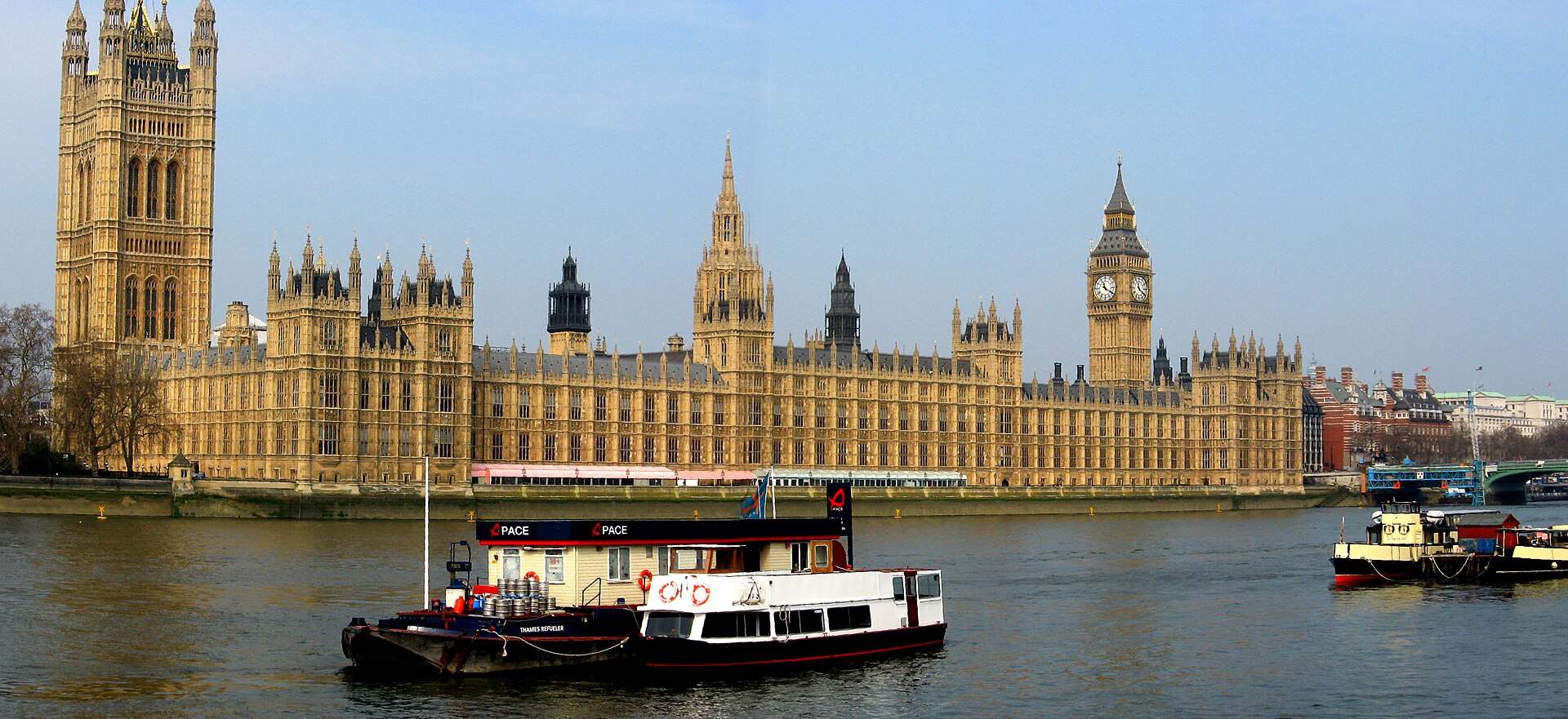
Start at Westminster Underground station at about 8:30. See the Houses of Parliament and Elizabeth Tower from Westminster Bridge before the pavements become crowded, then walk around Parliament Square for your reserved Westminster Abbey visit. Allow about two hours inside rather than treating the Abbey as a quick church stop.
After the Abbey, walk through St James's Park toward Buckingham Palace. Check the official schedule if the Changing of the Guard matters to you. Do not build the morning around it without confirming the date, and expect the palace approach to become congested. A quiet walk through the park is often the better use of time when no ceremony is scheduled.
Useful links: UK Parliament visitor informationChanging of the Guard schedule
Day 1 afternoon: Trafalgar Square, National Gallery and Covent Garden
Walk along The Mall or through St James's toward Trafalgar Square. The National Gallery is the useful decision point. Spend 60 to 90 minutes there if European painting interests you, or stay outside and continue toward Covent Garden if you would rather protect energy for the evening. General admission is free, while some exhibitions charge.

From Trafalgar Square, Covent Garden is an easy walk through the West End. The piazza can be busy, but the surrounding streets are well placed for an early dinner. Leicester Square, Chinatown and Soho are close enough to add without another Tube journey. This is also the right area for a theatre evening.
Useful links: National Gallery planning informationOfficial same-day theatre tickets
What should you skip on day 1?
Skip the London Eye unless the elevated view is one of your main reasons for visiting. Adding a timed wheel ticket between the Abbey and West End makes the day brittle, especially when queues or weather reduce the value of the view. The South Bank works better on day two.
Do not add the British Museum simply because it looks close to Covent Garden on a map. It deserves a focused visit on day three. If you arrive tired, cut the National Gallery first. Trafalgar Square and Covent Garden still create a complete walking route without a second major interior.
Day 2 morning: Tower of London and Tower Bridge
Start day two at the Tower of London. Allow two to three hours for the Crown Jewels, White Tower, battlements and a Yeoman Warder tour if one fits your visit. Historic Royal Palaces states that tours are included with admission, but weather, crowds and operational changes can affect them. Uneven surfaces and steps also make the site more tiring than a conventional museum.

After leaving, walk beside the Thames for a full view of Tower Bridge. Crossing the roadway is free. The paid bridge exhibition is worthwhile for engineering history and the high-level walkways, but it competes with the Tower for the same morning. On a first three-day trip, choose one paid interior and enjoy the other from outside.
Useful links: Tower of London ticketsOfficial Yeoman Warder tour informationTower Bridge visitor information
Day 2 lunch: Borough Market without losing the afternoon
Cross Tower Bridge and follow the south bank to Borough Market. The walk passes City Hall and HMS Belfast and takes you toward London Bridge station. Borough Market is a practical lunch stop because it sits on the route, but queues at the best-known traders can consume more time than the meal. Arrive before the main lunch crush when possible.

Check the market's official trading information because not every trader operates every day. If the market is uncomfortably busy, use one of the surrounding streets or continue toward Southwark for lunch. The purpose of this stop is to eat, look around and move on, not sample five separate queues.
Useful links: Borough Market visiting information
Day 2 afternoon: South Bank, Tate Modern and St Paul's view
Continue west past Southwark Cathedral, Shakespeare's Globe and Tate Modern. Enter Tate Modern if modern and contemporary art is a priority or rain makes the riverside unpleasant. Its permanent collection is free, though special exhibitions may charge. Otherwise, keep walking and cross the Millennium Bridge for the approach toward St Paul's Cathedral.
You do not need to enter every landmark. The river path, bridge crossings and views back to the City make this afternoon work without another ticket. Finish near St Paul's, return to South Bank for dinner, or take a short journey to your hotel. If you booked an evening event, leave the river before fatigue turns a good route into a long trudge.
Useful links: Tate Modern visitor informationSt Paul's Cathedral visit information
What should you skip on day 2?
Skip St Paul's interior if you have already spent the morning inside the Tower. The Cathedral deserves time, and arriving late only to rush the nave and galleries is poor value. See the western facade from the end of Millennium Bridge and save the interior for another trip.
Do not continue all the way to Westminster merely to complete the South Bank. You covered that area on day one. Stop around Tate Modern or Waterloo according to your energy and evening plans. A shorter river walk leaves enough attention for London after dark.
Day 3 option A: British Museum, Bloomsbury and Regent's Park
Choose the British Museum if world history is your main interest. General admission is free, and the museum recommends booking a timed ticket. Decide on a few galleries before arriving. The collection is too large for a complete visit, so two focused hours will usually be more rewarding than an exhausted half day.

Afterward, walk through Bloomsbury toward Fitzrovia for lunch. Continue to Regent's Park if the weather is good, or return toward Soho and Covent Garden for shops and a slower final afternoon. Camden is possible from the park, but adding the market makes this a longer day. Choose Camden only if it matters more than an unhurried museum visit.
Useful links: British Museum visit and booking information
Day 3 option B: South Kensington museums and Hyde Park
Choose South Kensington for the Natural History Museum, Victoria and Albert Museum or Science Museum. Pick one as the main visit. All three are substantial, and walking through their doors does not count as seeing them. Free general admission policies and booking arrangements vary, so check the museum's own site.
Pair the museum with Kensington Gardens and Hyde Park. Families can use the open space as a reset after galleries, while adults may prefer a walk toward the Serpentine or Kensington Palace exterior. Notting Hill fits better here than Camden because it lies on the same side of London. Check the Portobello Road market schedule before making it the final stop.
Useful links: Natural History Museum visitor informationV&A visitor informationScience Museum visitor information
Which day 3 option should you choose?
Choose the British Museum for ancient cultures, global history and a final afternoon near the West End. Choose South Kensington for natural history, science, design or a family trip. If you dislike museums, replace both with Greenwich and accept that it will occupy most of the day.
Greenwich combines the National Maritime Museum, Cutty Sark, Royal Observatory and a large park, but trying to see all of them is the same mistake as collecting central London museums. Choose one paid attraction, walk through the park and use rail or DLR in one direction. A river boat can make the return journey scenic, although it does not use the standard TfL daily cap.
| Option | Best for | Good nearby addition | Main trade-off |
|---|---|---|---|
| British Museum | History and central location | Bloomsbury or Regent's Park | Crowded and easy to overstay |
| South Kensington | Families, science and design | Hyde Park or Notting Hill | Three museums create decision fatigue |
| Greenwich | Maritime history and open space | River journey | Uses most of the day |
Useful links: Royal Museums Greenwich planning information
How do you get around London for three days?
Contactless pay as you go is the simplest option for many adult visitors. TfL also supports Oyster cards. Use the same physical card or the same mobile device for every journey so the system can calculate the correct fare and daily cap. A phone and the bank card stored on that phone count as different payment methods. Each traveller needs a separate card or device.
Touch in and out on Tube and rail journeys, even when a gate is open. On buses and trams, touch in only. Walk within each day's area and use the Tube or bus to reach the starting point. Check TfL Go or the official journey planner before leaving because closures and engineering work can change the sensible route, particularly at weekends.
Useful links: TfL guidance for visitor paymentsTfL journey planner
Where should you stay for a three-day London itinerary?
Covent Garden and Bloomsbury are the easiest all-round bases for this route. South Bank works well for river sights and families, while Westminster or Victoria suits a landmark-heavy first day. A hotel near a useful station often matters more than the neighbourhood label.
Check the actual journey to Westminster, Tower Hill and your day-three museum before booking. A cheaper room at the edge of London can cost several sightseeing hours across three days. King's Cross, Paddington and areas on direct Tube lines may offer a better compromise between price and travel time than the most famous central postcodes.
Useful links: Compare the best areas to stay in London
How much should you budget for 3 days in London?
Separate accommodation from daily spending because room prices vary sharply by date and area. For sightseeing days, the main cost decisions are paid attractions, theatre and meals. A lower-cost plan can use free museums, parks and river walks, then pay for the Tower of London as the single major ticket. A higher-spend plan adds Westminster Abbey, theatre and more restaurant meals.
Do not copy a fixed daily total from an old article. Check current admission prices on official sites and current TfL fares shortly before travel. Restaurant menus commonly include a service charge, so read the bill before adding another tip. Carry a working payment card, but keep a backup method separate in case a bank blocks an overseas transaction.
| Cost area | Lower-cost choice | Higher-cost choice |
|---|---|---|
| Attractions | One paid landmark plus free museums | Two or three paid landmarks |
| Evening | Neighbourhood walk or pub | Reserved West End performance |
| Food | Market lunch and casual dinner | Reserved restaurant and afternoon tea |
| Transport | Walking plus capped pay as you go | River boat or taxis in addition |
How should you change the itinerary when it rains?
Keep the same area and replace the exposed part, not the entire day. On day one, spend longer in the National Gallery and shorten St James's Park. On day two, use Tate Modern after Borough Market and reduce the river walk. Day three already centres on a museum.
Rain alone does not justify crossing London for a different attraction. Carry a light waterproof layer and check for severe weather or transport alerts. If conditions are genuinely disruptive, move a flexible museum rather than a timed Tower or Abbey ticket, subject to the attraction's change policy.
How can families and visitors with limited mobility adapt the route?
Families should keep one major attraction per day and stop before children are exhausted. South Kensington is the strongest third-day choice for many families because museums and Hyde Park sit close together. Carry snacks, check buggy rules and avoid an itinerary that depends on several interchanges.
Visitors with limited mobility should check step-free routes for the exact stations and attractions they plan to use. The Tower has cobbles, uneven surfaces and stairs, while individual Tube stations differ greatly. TfL's step-free map and each attraction's access page are more reliable than a general claim that central London is accessible. Reduce the South Bank distance and use buses or accessible river crossings where they suit the route.
Useful links: TfL accessible travel guidanceTower of London accessibility
Should you take a day trip during 3 days in London?
No, not on a first visit with only three full days. Windsor, Oxford, Cambridge and Brighton each consume most of a day once station travel and the return journey are included. London itself still requires choices after three days.
Make an exception only when the excursion is one of the main reasons for the trip. If Windsor Castle matters more than museums or neighbourhoods, replace day three rather than squeezing it into a spare afternoon. Travellers with four or five days have a much stronger case for leaving the city.
Useful links: Compare day trips from London by train
Three-day London itinerary at a glance
Day one begins at Westminster, continues through St James's Park and Trafalgar Square, then ends in Covent Garden, Soho or a West End theatre. Day two starts inside the Tower of London, crosses Tower Bridge and follows the south bank through Borough Market toward Tate Modern. Day three is a choice between the British Museum and Bloomsbury or South Kensington's museums and Hyde Park.
The plan deliberately leaves out several famous places. That is why it works. Save Greenwich, Camden, Notting Hill, Hampton Court and a day trip for extra days or a return visit. If one booked attraction runs long, remove the next optional stop and keep the evening.
Useful links: Find more London attractions and neighbourhoodsBrowse free museum guidesBrowse all European destinations
Frequently Asked Questions
Yes. Three full days is enough for Westminster, the Tower of London, a Thames walk, one major museum and a West End evening. It is not enough for every major neighbourhood or a relaxed day trip.
Keep exploring
Discover more destinations and curated things to do across Europe.