Rome with Kids: A Practical Family Guide
 The WhatToDoIn.eu Editorial Team
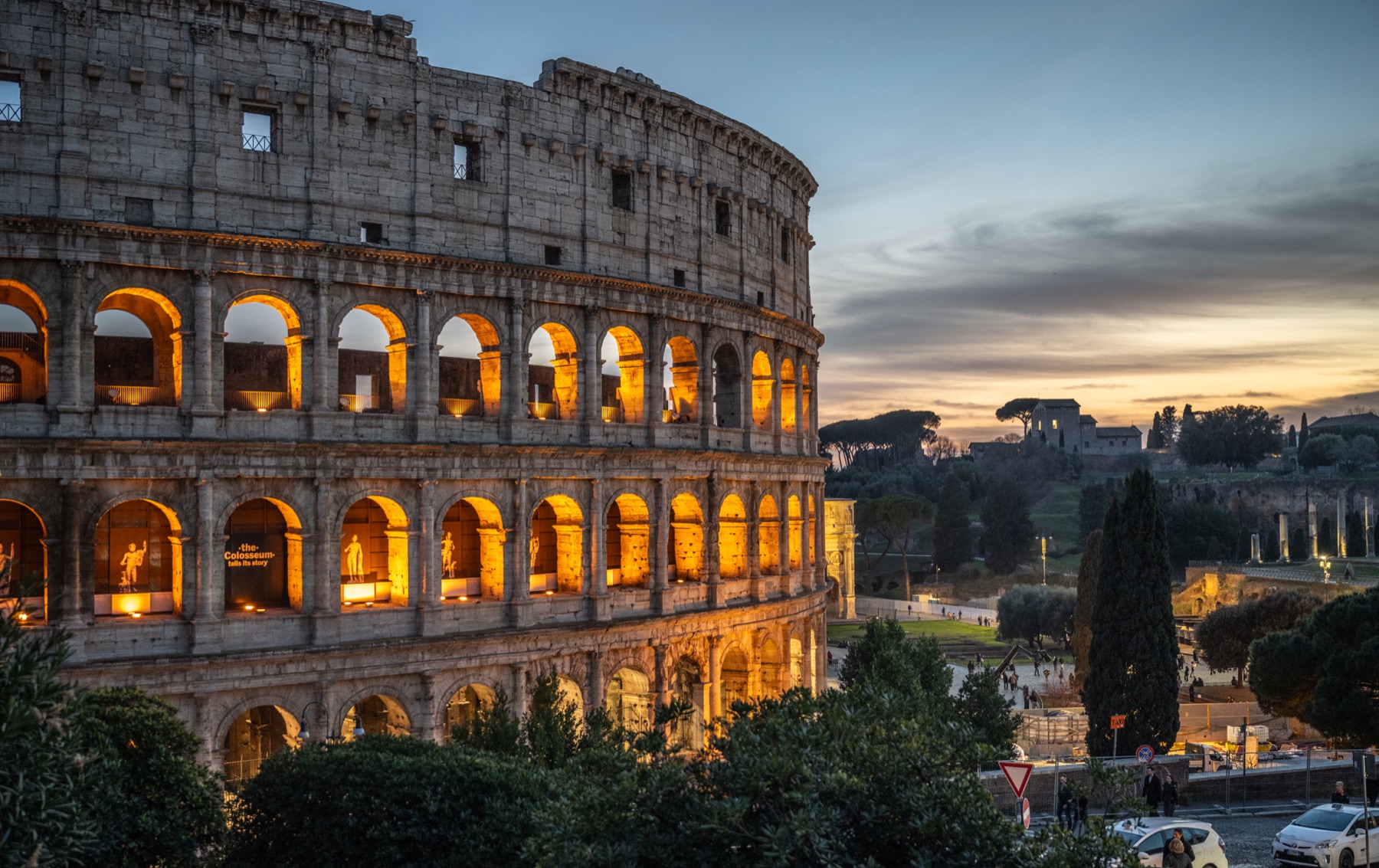
Rome works well with children when adults shorten the archaeological visits and schedule one demanding attraction per day. The Colosseum, Villa Borghese, Explora children's museum and a food activity provide a better mix than three consecutive museums.
Cobbles, stairs, heat and crowded buses are the main difficulties. Build in playground or park time, carry water and choose accommodation that reduces daily transfers.
What are the best things to do in Rome with kids?
Choose the Colosseum, Villa Borghese, Explora children's museum, Bioparco zoo and one family-oriented tour or cooking activity. Older children may enjoy the catacombs, Castel Sant'Angelo or a gladiator experience. Younger children usually need shorter monument visits and more open space.
The fountains, street life and pizza stops often hold as much interest as another museum.
Useful links: Read the main Rome guidePlan three days in Rome
Is the Colosseum suitable for children?
Yes, especially for school-age children who already know a little Roman history. Book a morning time, explain the basic story beforehand and keep the Forum portion shorter if attention is fading. The Forum has uneven ground and limited shade.

A child-focused guide can make the ruins easier to understand, but the arena itself is often enough for younger visitors.
Useful links: Read the Colosseum and Roman Forum guide
Which Rome museums are best for kids?
Explora is designed for children up to age 12 and uses hands-on installations. The Civic Museum of Zoology works well for animal-focused children. Welcome to Rome uses projections and models to explain the city's history in a compact format.
At the Vatican Museums, choose a short route and prepare children for crowds. The full museum sequence can overwhelm younger visitors.
Useful links: Official Rome tourism family activitiesRead the Vatican City family-planning advice
Where can children run and play in Rome?
Villa Borghese is the most convenient central park and includes playgrounds, bike rentals and Bioparco. Villa Doria Pamphilj offers more space but takes longer to reach. The Orange Garden is a calm break during an Aventine walk.
Use parks before dinner or after a museum rather than treating them as optional extras. The break usually improves the rest of the day.
Can you use a stroller in Rome?
A lightweight stroller helps with long days but struggles on cobbles, steps and crowded transport. Bring a carrier for babies if practical. Metro stations vary in accessibility, and buses can be difficult at busy times.
Check accessibility details for archaeological sites and accommodation. An elevator listed by a hotel is especially valuable after a full day outside.
What is a good three-day Rome itinerary with kids?
Day one: Colosseum, a shortened Forum visit and a relaxed Monti afternoon. Day two: St. Peter's Basilica or a selective Vatican Museums visit, then Castel Sant'Angelo or a park. Day three: Pantheon, one or two piazzas, Explora or Villa Borghese.
Keep evenings close to the accommodation. A late Trastevere dinner may suit teenagers but can be a poor trade for young children.
Useful links: Find free family stopsChoose a family-friendly area to stay
Frequently Asked Questions
Yes. The Colosseum, parks, family museums and easy food appeal to children, but parents should limit long museum visits and plan around heat and walking.
Keep exploring
Discover more destinations and curated things to do across Europe.