What to Do in Amsterdam: 18 Best Things to Do and a 3-Day Plan
 The WhatToDoIn.eu Editorial Team
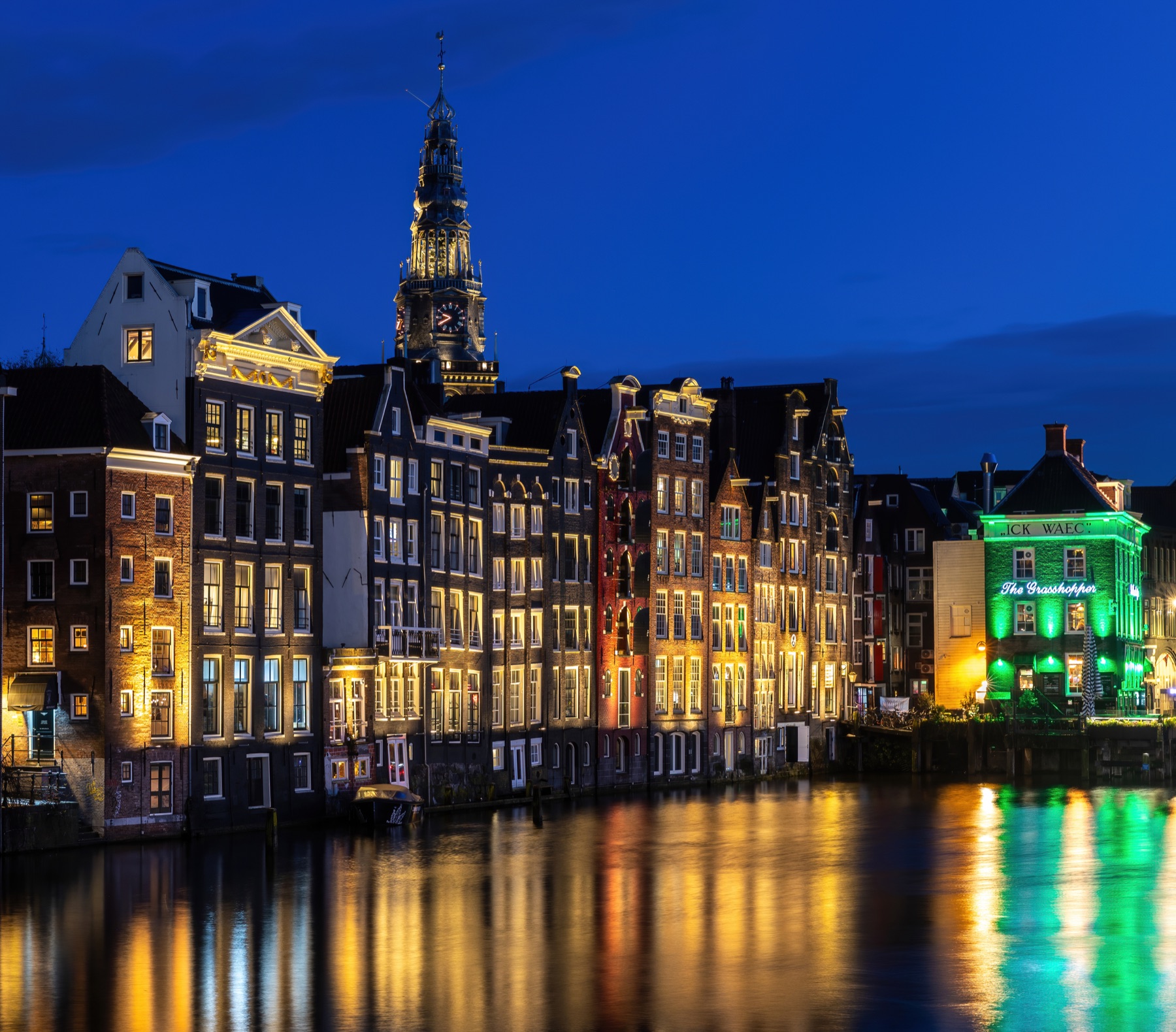
The best things to do in Amsterdam combine the canal ring, one or two major museums, the Anne Frank House, a neighbourhood such as Jordaan or De Pijp, and time on the water. Three days is enough for a strong first visit if you group sights by area and reserve the places that use timed entry.
Amsterdam is compact, but a long list can still waste a day. Choose one museum for depth, take a canal cruise early in the trip, and leave room for streets and cafés that were never part of the plan. This guide explains what is worth booking, what works without a ticket and how to build a realistic Amsterdam itinerary.
What are the best things to do in Amsterdam?
For a first visit, prioritize these experiences:
1. Walk the UNESCO-listed canal ring around Herengracht, Keizersgracht and Prinsengracht. 2. See Rembrandt and Vermeer at the Rijksmuseum. 3. Book a timed visit to the Anne Frank House. 4. Take a canal cruise for a street-level view of the city from the water. 5. Explore Jordaan and the Nine Streets on foot. 6. Visit the Van Gogh Museum or Stedelijk Museum at Museumplein. 7. Eat your way along Albert Cuyp Market in De Pijp. 8. Ride the free ferry from Central Station to Amsterdam Noord. 9. Relax in Vondelpark. 10. Browse a neighbourhood market or settle into a traditional brown café.
That list covers Amsterdam's defining sights without turning the trip into a race. The sections below add practical detail, alternatives and a three-day route.
How many days do you need in Amsterdam?
Three full days is the sweet spot for a first trip to Amsterdam. It gives you time for the historic centre and canals, Museumplein, the Anne Frank House, two contrasting neighbourhoods and a half-day in Amsterdam Noord. Two days works if you choose one museum and skip a day trip. Four or five days lets you slow down or visit Haarlem, Zaanse Schans or the seasonal Keukenhof gardens.
| Trip length | What fits comfortably | What to leave out |
|---|---|---|
| 1 day | Canal ring, one museum, Jordaan and a cruise | No day trip |
| 2 days | Historic centre, Museumplein, Anne Frank House and De Pijp | Limit museums to two |
| 3 days | Main sights plus Amsterdam Noord, markets and Vondelpark | Day trip only if it matters most |
| 4 to 5 days | A slower city visit plus one day trip | Do not add attractions just to fill time |
How should you spend three days in Amsterdam?
Day one: start around Damrak and Dam Square, then walk through the canal ring toward the Nine Streets and Jordaan. Visit the Anne Frank House at your reserved time. Take a canal cruise in the late afternoon or early evening.
Day two: choose the Rijksmuseum or Van Gogh Museum for the morning. Walk through Vondelpark, then continue to De Pijp and Albert Cuyp Market. Stay in the area for dinner rather than crossing the city again.
Day three: take the free ferry behind Central Station to Amsterdam Noord. Visit the NDSM area or EYE Filmmuseum, return to the centre, then use the final afternoon for a smaller museum, a market or any neighbourhood you rushed earlier.
What is the best way to experience Amsterdam's canals?
Walk and cruise. A walk gives you time to notice bridges, leaning canal houses and small side streets. A boat explains how the canal ring fits together and reaches views that are easy to miss from the pavement.

For a useful first walk, follow Brouwersgracht into the western canal ring, continue along Prinsengracht and cut through the Nine Streets. Book a cruise with an open or partly open boat when the weather suits it. Choose a departure point near the rest of your day's route rather than travelling across town for a particular operator.
Useful links: Amsterdam canal ring UNESCO listing
Which Amsterdam museum should you choose?
Choose the Rijksmuseum for Dutch art and history, the Van Gogh Museum for a focused look at one artist, and the Stedelijk for modern and contemporary art. Most first-time visitors will get more from one unhurried museum than from squeezing all three into a single day.

The Rijksmuseum requires a start time and recommends booking online. Its collection includes Rembrandt's Night Watch and Vermeer's Milkmaid. The Van Gogh Museum also uses dated, timed tickets. Check the museum's own website before your trip because hours, prices and exhibition access can change.
Useful links: Rijksmuseum tickets and visitor informationVan Gogh Museum official tickets
How do you get Anne Frank House tickets?
Buy tickets only through the Anne Frank House website. Entry is tied to a specific date and time, and tickets are not sold at the door. The museum currently releases tickets every Tuesday at 10:00 CEST for visits six weeks later.
The rooms are small and the stairs are steep, so read the accessibility information before booking if mobility is a concern. If tickets are unavailable, do not buy from an unofficial reseller. The National Holocaust Museum, Jewish Museum and Portuguese Synagogue provide related historical context, though they are different experiences.
Useful links: Anne Frank House official ticketsJewish Cultural Quarter visitor information
Which Amsterdam neighbourhoods are worth exploring?
Jordaan is the easiest neighbourhood to add to a first visit because it sits beside the western canal ring and Anne Frank House. Walk its narrow streets, browse the Nine Streets and check whether Noordermarkt is operating that day.
De Pijp feels busier and more residential. Pair Albert Cuyp Market with Sarphatipark and dinner nearby. Oud-West works well with Vondelpark and Foodhallen. Plantage has leafier streets and several museums, while Amsterdam Noord offers waterfront spaces and a very different scale from the canal centre.
What can you do in Amsterdam Noord?
Use the free passenger ferries behind Amsterdam Central Station. The short crossing to Buiksloterweg is convenient for EYE Filmmuseum and the A'DAM Lookout area. A different ferry serves NDSM, a former shipyard with large industrial buildings, street art, studios and waterside venues.

Noord is worth half a day if you have three days in Amsterdam. Check the current ferry route before leaving, especially late in the evening.
Useful links: GVB ferry routes and travel planner
What food should you try in Amsterdam?
Start with a fresh stroopwafel from a market stall, fries with your choice of sauce and Dutch cheese from a specialist shop rather than a souvenir display. Herring is traditionally served with chopped onion and pickles. You can eat it in pieces instead of performing the tail-first pose seen in tourist photos.
Amsterdam is also a good place to try Indonesian food, including a rijsttafel shared across the table. For a drink, look for a brown café, the Dutch answer to an old local pub. Avoid judging a restaurant by its canal view alone; streets a few blocks away often feel less hurried.
What are the best free things to do in Amsterdam?
Walking the canal ring, crossing the IJ by ferry, visiting Vondelpark and exploring Jordaan, De Pijp or NDSM cost nothing. The Begijnhof courtyard is free to enter when open, but it is also a residential space, so keep noise down and respect any access restrictions.

Other low-cost days can revolve around a market, a picnic and a self-guided architecture walk. Free activities make a useful counterweight to Amsterdam's expensive museums and accommodation.
Useful links: Browse more outdoor ideas
What can families do in Amsterdam with kids?
NEMO Science Museum is the strongest all-weather option for school-age children. ARTIS combines a zoo with an aquarium, planetarium and other attractions. A canal cruise gives tired legs a break, while Vondelpark offers room to run between indoor visits.
Cycling with children requires confidence around fast local bike traffic. Families who do not cycle regularly may prefer trams, ferries and walking. Book timed attractions around the child's usual energy level rather than filling every hour.
Useful links: NEMO Science MuseumARTIS visitor information
What should you do in Amsterdam when it rains?
Use the rain for a museum day, but reserve the most popular museums before the forecast turns wet. Good indoor alternatives include Museum Ons' Lieve Heer op Solder, the Rembrandt House Museum, NEMO, EYE Filmmuseum and Foodhallen.
Showers often pass quickly. Carry a compact rain jacket and keep one flexible indoor option near the neighbourhood you planned to explore. That is usually better than crossing the city whenever the weather changes.
What is there to do in Amsterdam at night?
An evening canal cruise is a calm way to see the bridges and canal houses after dark. For live music, check the programmes at Paradiso, Melkweg, Bimhuis and Concertgebouw. Leidseplein and Rembrandtplein have busy late-night venues, while Jordaan and De Pijp are better suited to smaller bars and brown cafés.
In De Wallen, remember that the Red Light District is a residential and working neighbourhood. Do not photograph sex workers, block doorways or join disruptive street behaviour.
Should you rent a bike in Amsterdam?
Rent a bike only if you already ride confidently in city traffic. Amsterdam's cycle network is excellent, but local riders move quickly and visitors can misread lanes, signals and tram tracks. A gentle ride through Vondelpark or a guided route may be more enjoyable than learning in the busiest part of the centre.
When walking, keep out of red cycle lanes and check both directions before crossing. If you rent a bike, lock it properly and follow local parking rules.
How do you get around Amsterdam?
Walk within the historic centre and use GVB trams or metro services for longer journeys. Contactless bank cards and supported mobile wallets can be used to check in and out on public transport. Each traveller needs a separate payment method, and you must use the same card or device for both taps.
The I amsterdam City Card includes GVB transport, participating attractions and a canal cruise, but it does not include NS trains such as the train between Schiphol Airport and Amsterdam Central. Compare the current inclusion list with your actual plan before buying a city pass.
Useful links: GVB contactless travel informationI amsterdam City Card inclusions
Is Amsterdam expensive to visit?
Amsterdam is expensive for accommodation and major attractions. Control the total by booking rooms early, choosing one paid museum per day and mixing ticketed sights with canal walks, parks, markets and free ferries. Staying just outside the canal centre can save money if the tram or metro connection is direct.
Do not rely on a fixed daily budget published months before your trip. Check current room and ticket prices for your dates, then add food and local transport. A city card only saves money when its included places match what you genuinely want to visit.
When is the best time to visit Amsterdam?
April and May are popular for spring flowers, though Keukenhof operates only during its announced seasonal dates. Late spring and early autumn are comfortable for walking. Summer has long evenings and heavy demand, while winter brings short days, cold rain and a stronger case for museums and cafés.
There is no reliably quiet month at the headline attractions. Timed tickets and a neighbourhood-based plan matter more than chasing a supposedly crowd-free season.
Which day trips from Amsterdam are worthwhile?
Haarlem is the easiest all-round day trip, with a compact historic centre and direct trains. Zaanse Schans suits travellers who want windmills and traditional buildings, though it can be busy. Keukenhof is a seasonal choice, not a year-round attraction. Utrecht offers canals, museums and a city atmosphere without repeating Amsterdam exactly.
| Day trip | Best for | Planning note |
|---|---|---|
| Haarlem | Historic streets, art and cafés | Easy by direct train |
| Zaanse Schans | Windmills and traditional buildings | Go early and check transport |
| Keukenhof | Spring flower displays | Open only on published seasonal dates |
| Utrecht | Canals and another Dutch city | Direct trains run frequently |
Useful links: Keukenhof official websitePlan Dutch train journeysBrowse more day-trip guides
What should you book before visiting Amsterdam?
Book the Anne Frank House first because it has a fixed release schedule and no door sales. Reserve the Van Gogh Museum and Rijksmuseum next, especially for weekends and holidays. Book a canal cruise if you want a specific small boat or departure time.
Leave markets, parks, ferries and neighbourhood walks flexible. That mix protects the important reservations without making a late arrival or rain shower ruin the day.
Useful links: Browse all European destinationsCompare with our London guideBrowse museum guides
Frequently Asked Questions
Walk the canal ring, choose the Rijksmuseum or Van Gogh Museum, visit the Anne Frank House with a timed ticket, explore Jordaan and take a canal cruise. Add De Pijp, Vondelpark or Amsterdam Noord if you have three days.
Keep exploring
Discover more destinations and curated things to do across Europe.