
What to Do in London: 25 Best Things and a 3-Day Itinerary
 The WhatToDoIn.eu Editorial Team
London is too large for a sensible first trip to cover everything. When deciding what to do in London, group places that work together. Westminster, the South Bank and the West End make one natural route. The Tower of London, Borough Market and Tate Modern make another.
For a first visit, allow at least three full days. Book one major paid attraction each day, use the free museums around it, and walk whenever the next stop is close. London often makes more sense at street level than it does on a Tube map.
This guide covers 25 worthwhile things to do in London, then arranges them into one-day and three-day itineraries. It also answers the practical searches that matter once the trip is real: what to do with kids, in the rain, at night and without spending much.
What are the best things to do in London?
The best things to do in London on a first visit are Westminster Abbey and the Houses of Parliament, the Tower of , a walk along the South Bank, one major free museum, Borough Market, a West End show and one neighbourhood such as Notting Hill, Greenwich, Camden or Shoreditch.
Do not put all of them into one day. London journeys take longer than they look, and the largest attractions can fill half a day. Three days gives you enough time for the landmarks, a museum and a neighbourhood without treating lunch as an inconvenience.
What should you see in Westminster?
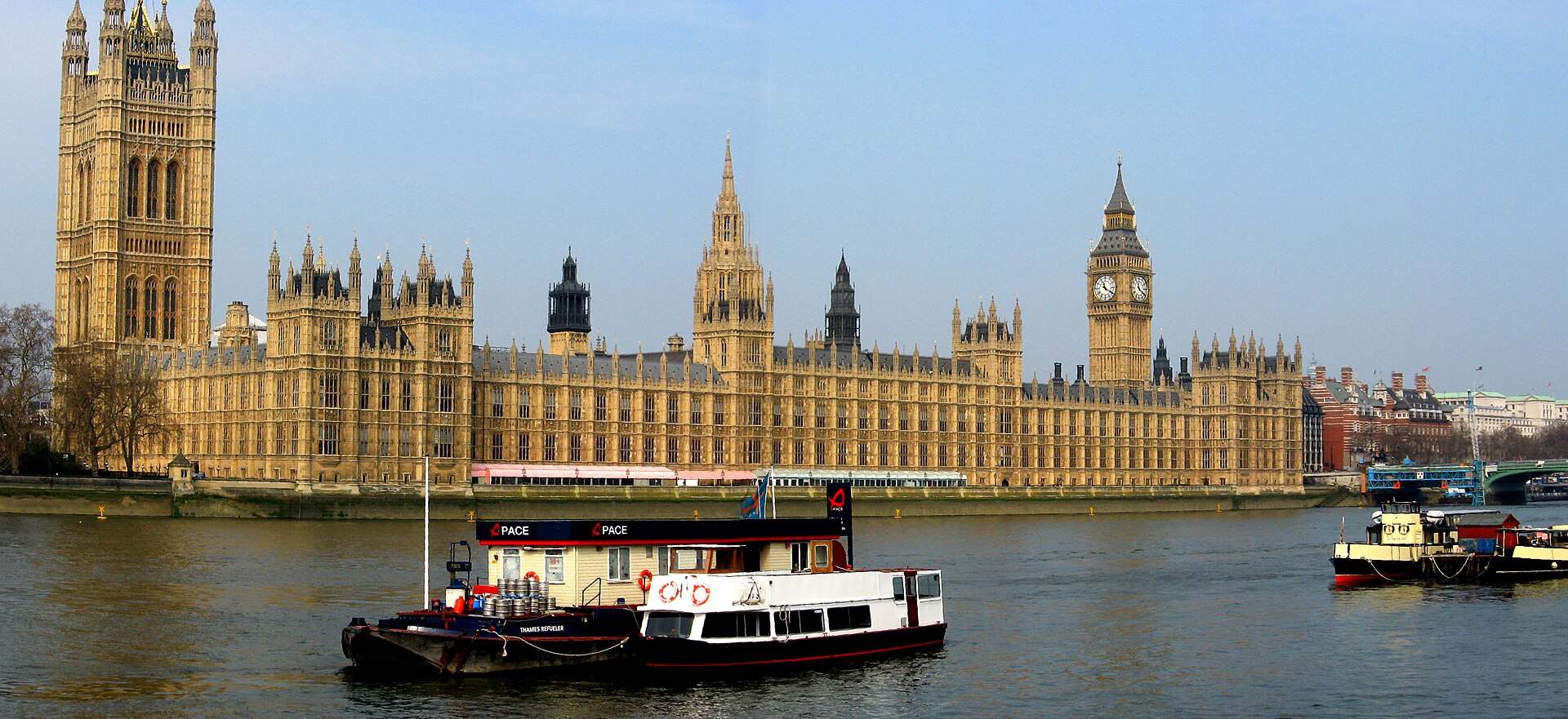
Westminster is the cleanest starting point because several major sights sit within one short walk. See the Houses of Parliament and Elizabeth Tower from Westminster Bridge, then walk around Parliament Square to Westminster Abbey. Big Ben is the name of the Great Clock's largest bell, although the name is commonly used for the tower too.
The Abbey is a working church as well as a visitor attraction. Coronations have taken place here since 1066, and its memorials and burials include monarchs, writers and scientists. Tourist hours change around services and special events, so choose a timed entry from the official site. Allow roughly two hours inside. If you do not enter, the exterior walk is still worthwhile and free.
Useful links: Westminster Abbey visitor informationUK Parliament visitor information
Is the Tower of London worth visiting?
The Tower of London is the paid attraction to prioritise if you want royal history. William the Conqueror began the White Tower in the 1070s. The complex later served as a fortress, palace, prison, mint and armoury. A standard visit includes the Crown Jewels, battlements and exhibitions across the site.

Arrive at opening if possible and go to the Crown Jewels before the queue grows. A Yeoman Warder tour adds context and is included with admission, but tour availability can vary. Most visitors need two to three hours. Buy from Historic Royal Palaces rather than an unofficial reseller, and check the day's opening time before travelling.
Useful links: Tower of London tickets and opening times
How do you walk from Tower Bridge to the South Bank?
Tower Bridge is beside the Tower of London, which makes the two easy to combine. Walking across the roadway costs nothing. The paid exhibition takes you into the towers and high-level walkways, while the riverside gives you the better full view of the bridge itself.
From the north bank, cross Tower Bridge and follow the Thames Path west. The route passes City Hall, HMS Belfast and the riverfront near London Bridge. Continue to Borough Market for lunch, then walk towards Shakespeare's Globe, Tate Modern and the Millennium Bridge. This is one of the most efficient half-day routes in central London.
What should you see at the British Museum?
The British Museum is the best all-purpose choice for world history. General admission is free, although booking a free timed entry can make arrival smoother. The collection is far too large for one visit. Choose a short list before you enter, such as the Rosetta Stone, the Egyptian galleries and the Sutton Hoo objects, then leave when your attention starts to fade.

Two hours is enough for a focused first visit. The covered Great Court also makes the museum a useful rainy-day stop. Some exhibitions charge separately, and the museum recommends checking bag and entry rules before arrival.
Useful links: British Museum visit and booking information
Which free London museum should you choose?
Tate Modern, the National Gallery, the Victoria and Albert Museum and the Natural History Museum all offer free access to their permanent collections. That does not make them quick stops. Pick one that matches your interests instead of collecting entrances.
Choose Tate Modern for modern and contemporary art and an easy South Bank route. Choose the National Gallery for European painting near Trafalgar Square. The V&A suits design, fashion and decorative arts, while the Natural History Museum works particularly well with children. Temporary exhibitions may need paid tickets even when the main collection is free.
Useful links: Tate Modern visitor informationNational Gallery visitor informationNatural History Museum visitor information
What should you eat and see at Borough Market?
Borough Market works best as part of the Tower Bridge and South Bank walk, not as a separate cross-city journey. It sits beside London Bridge station under the railway arches. Come before the main lunch rush if you want room to look around, then choose one meal rather than queueing repeatedly at the most photographed stalls.

The surrounding area adds more than the market alone. Southwark Cathedral is next door, the Thames is a few minutes away and Tate Modern is reachable on foot. Check the market's trading information before visiting because not every trader operates every day.
Useful links: Borough Market opening and trader information
What can you do in Soho and the West End at night?
Covent Garden, Soho and Chinatown form a compact evening area. Covent Garden has the piazza and Royal Opera House, Soho has restaurants and music venues, and Chinatown sits between Soho and Leicester Square. Walk through all three rather than taking the Tube between them.
For a West End show, compare the official theatre price with the TKTS booth and the production's official day-seat or lottery policy. A discounted ticket is only useful if you want that show and can see the stage from the seat. Leave enough time to eat before the performance because restaurants near theatres become busy in the early evening.
Useful links: Official London theatre ticket information
What should you do in Notting Hill and Portobello Road?
Notting Hill is worth a half day when Portobello Road Market is active. The street mixes antiques, food stalls, shops and the painted terraces associated with the neighbourhood. Market sections operate on different days, so check the schedule instead of assuming Saturday conditions all week.

Arrive in the morning, walk north along Portobello Road and leave time for the quieter side streets. The area is residential, so take photographs without blocking doorways or treating private steps as props. Notting Hill pairs naturally with Kensington Gardens or the museums in South Kensington.
Useful links: Portobello Road Market visitor information
What is there to do in Greenwich?
Greenwich gives you a different London: a river arrival, a large park, maritime museums and the Prime Meridian. Take a Thames boat if the journey itself appeals to you, or use rail for a faster trip. The National Maritime Museum has free general admission, while the Royal Observatory and Cutty Sark are ticketed attractions.
Walk uphill through Greenwich Park for the view back towards Canary Wharf and central London. A half day works if you choose one paid site. A full day makes sense if you want the observatory, Cutty Sark and museum without rushing.
Useful links: Royal Museums Greenwich visitor information
Should you visit Camden or Shoreditch?
Camden is a good choice for markets, live music and a walk beside Regent's Canal. The main market can feel intensely commercial, especially at weekends, but the canal route gives the visit more shape. Walk west towards Regent's Park or east towards King's Cross rather than staying only in the food court.
Shoreditch suits street art, independent shops and nightlife. Brick Lane is liveliest on market days, while Spitalfields is easier to visit in poor weather. These neighbourhoods sit on opposite sides of central London, so choose one unless you have several days.
What can you do in London with kids?
With children, build the day around one attraction and a park. The Natural History Museum works well with Kensington Gardens. The Tower of London can hold the attention of school-age children, especially with a Yeoman Warder tour. Greenwich combines open space with ships and astronomy.
For a cheaper day, use the Diana Memorial Playground in Kensington Gardens, watch the pelicans in St James's Park and visit a free museum. Book family attractions in advance, carry snacks and avoid a plan that requires several Tube changes. A short river-boat journey can double as transport and a break from walking.
What should you do in London when it rains?
London is unusually forgiving in wet weather. The British Museum, National Gallery, Tate Modern, V&A, Natural History Museum and Museum of London Docklands all provide substantial indoor visits. Covered markets such as Spitalfields and Leadenhall Market are useful for shorter stops.
Do not abandon outdoor plans because of a brief shower. Carry a compact waterproof layer and keep one indoor alternative in the same area. Around South Kensington, for example, you can move between major museums without crossing the city. Around the South Bank, Tate Modern can replace a wet riverside walk.
What are the best free things to do in London?
Many of London's strongest experiences cost nothing: the permanent collections at the major national museums, the South Bank walk, Sky Garden with advance booking, the parks, changing of the guard when scheduled, and neighbourhood walks through Notting Hill or Shoreditch.
Save your paid budget for attractions that cannot be replicated from outside. The Tower of London, Westminster Abbey and a theatre performance offer distinct experiences. By contrast, you can enjoy Tower Bridge, Parliament and St Paul's from public streets and river paths without buying entry. Advance booking matters even when a ticket is free.
Useful links: Free London ideas from the official visitor guide
What can you do in London for one day?
If you have one day, begin at Westminster Abbey and Parliament, then cross Westminster Bridge and walk east along the South Bank. Pass the London Eye, National Theatre and Tate Modern. Cross the Millennium Bridge to St Paul's Cathedral, then use the Tube to reach Covent Garden and Soho for the evening.
This route favours views and atmosphere over museum interiors. Add either Westminster Abbey or Tate Modern, not both plus several other attractions. If the Tower of London is your priority, start there instead, cross Tower Bridge, eat at Borough Market and finish at Tate Modern.
What should you do in London for 3 days?
Day one: visit Westminster Abbey, see Parliament and walk through St James's Park to Trafalgar Square. Choose the National Gallery or continue to Covent Garden and Soho. Book a West End show if theatre is important to you.
Day two: arrive early at the Tower of London, cross Tower Bridge and eat at Borough Market. Walk west along the Thames to Tate Modern, then cross the Millennium Bridge for the view of St Paul's.
Day three: choose a neighbourhood day. Combine Notting Hill with Kensington Gardens and a South Kensington museum, or spend the day in Greenwich. Camden and Regent's Canal work as another option. Choose according to interest, not because one route is universally best.
Useful links: Follow the complete three-day London itinerary
How do you get around London?
Contactless bank cards and mobile wallets work across most Transport for London services, as do Oyster cards. Use the same card or device for every touch so the system can calculate the correct fare and daily cap. Each traveller needs a separate payment method.
Walk between nearby sights. Covent Garden to Soho, Westminster to Trafalgar Square and Tower Bridge to Borough Market are all more informative on foot. Avoid crossing London repeatedly for meals or single photo stops. For airport journeys, check the official planner because the best route depends on the airport, terminal, time and where you are staying.
Useful links: Transport for London journey plannerTransport for London contactless and Oyster guidance
When is the best time to visit London?
Spring and early autumn are comfortable for walking, while summer brings long evenings and the heaviest visitor pressure. December adds lights and seasonal events but also crowds and expensive accommodation. Winter can be a good museum trip if you accept short daylight hours and changeable weather.
Book the Tower of London, Westminster Abbey, theatre and any limited-entry viewpoint before the trip. Leave free museums and neighbourhood walks flexible. That balance gives the day a structure without making a late train or rain shower ruin the whole plan.
How can you make a London trip easier and cheaper?
London is expensive when every day includes a premium attraction, taxis and restaurant dinners. It is far more manageable when you mix one paid sight with free museums and walks. Staying near a useful Tube or rail line can save more time than choosing the cheapest room at the edge of the city.
Check whether a service charge is already on a restaurant bill before adding a tip. Carry a payment card because many businesses and transport services are cashless. Most of all, group each day by area. A geographically tidy plan is the simplest improvement you can make to a London trip.
Useful links: Compare the best areas to stay in LondonChoose a day trip from London by trainBrowse more museum guidesCompare with our Paris guideBrowse all European destinations
Frequently Asked Questions
Three full days is a sensible minimum for a first visit. You can cover Westminster and the West End, the Tower and South Bank, then use the third day for a museum and neighbourhood. Five days gives you more time for Greenwich, Camden or a slower pace.
Keep exploring
Discover more destinations and curated things to do across Europe.