What to Do in Cologne, Germany: A First-Time Visitor's Guide
 The WhatToDoIn.eu Editorial Team
Cologne makes its first impression before you have properly left the station. Step outside Köln Hauptbahnhof and the cathedral is right there, filling your view. It is a dramatic start, but spending the whole visit around Domplatte would mean missing much of the city.
The best first trip mixes the big sights with ordinary Cologne pleasures: walking across the Rhine, choosing one good museum, sitting down in a brewhouse and watching the narrow Kölsch glasses arrive. Most of the historic centre is compact enough to explore on foot.
This guide explains what to do in Cologne over one or two days, which attractions deserve your time, and what has changed in 2026. Opening hours and ticket rules can move, so check the linked official sites before you set out.
What are the best things to do in Cologne?
For a first visit, begin at Cologne Cathedral, walk over Hohenzollern Bridge to Deutz, return through the Old Town and spend the afternoon at Museum Ludwig, the Chocolate Museum or the Roman-Germanic Museum. Finish with dinner and Kölsch in a traditional brewhouse.
One full day is enough for that route. With two days, you can slow down, add another museum, visit the Fragrance Museum and spend time beside the Rhine. Three days only makes sense if you want to explore more neighbourhoods or take a day trip. Each of these stops is covered in more detail in the sections below, along with practical notes on tickets and timing.
What should you know before visiting Cologne Cathedral?
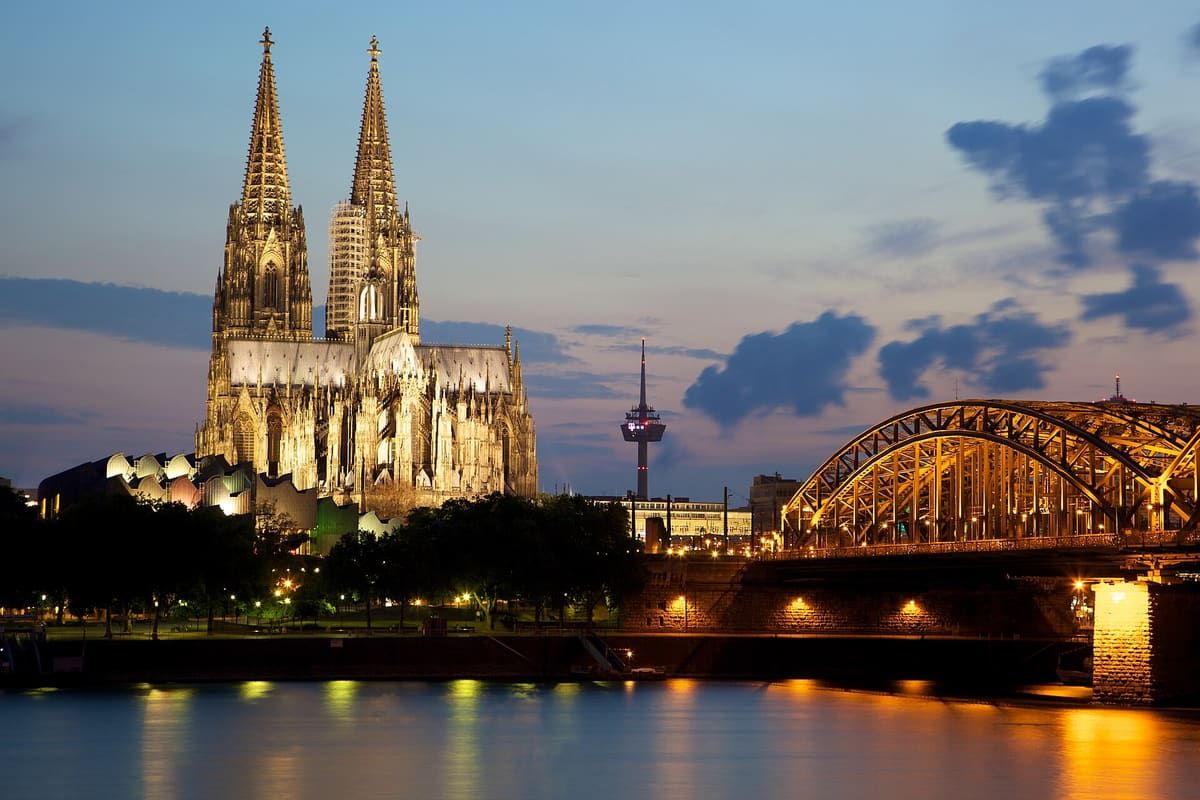
Cologne Cathedral is the city's unavoidable landmark and the sensible place to start. The present Gothic building was begun in 1248 and completed in 1880. Inside, the Shrine of the Magi was made around 1190 to 1220 for relics brought to Cologne in 1164.

A major practical detail changed this year. Since 1 July 2026, tourists need a ticket to visit the cathedral outside services. Worship remains separate from sightseeing, and visiting can be limited during liturgy, construction or special events. Check the official cathedral website for the current schedule and ticket options.
The south tower climb has 533 steps and no lift. The viewing platform is roughly 100 metres above ground, so wear sensible shoes and skip it if tight spiral stairs are likely to be a problem.
Useful links: Cologne Cathedral visitor information
Why is Hohenzollern Bridge worth crossing for the skyline view?
Hohenzollern Bridge begins just behind the cathedral and carries trains, cyclists and pedestrians across the Rhine. Its railings are crowded with love locks, but the real reason to walk it is the view back towards the cathedral.
Continue onto the Deutz riverbank after crossing. From there, the cathedral and bridge sit together in the classic Cologne skyline. Late afternoon gives you softer light, while dusk is better if you want the illuminated buildings reflected in the river. You do not need a ticket for this view. The bridge sits directly behind the cathedral, covered above, so it's a natural next stop if you're already in the area and want the classic photo looking back toward it.
What is Cologne’s Old Town like to walk through?
Cologne's reconstructed Old Town lies between the cathedral and the Rhine. Its small size is an advantage: you can wander through Alter Markt, pass the historic city hall and reach the colourful houses by Fischmarkt without following a strict route.

It can feel busy around lunch and on summer weekends. Early morning is quieter, although the area is more enjoyable later when cafés and brewhouses are open. Allow an hour for a loose walk, or longer if you plan to stop for food. It's a short walk from both the cathedral and Hohenzollern Bridge covered above, so many visitors fold all three into the same morning or afternoon.
How do you order Kölsch in a traditional Cologne brewhouse?
Kölsch is served in a slim 0.2-litre glass called a Stange. In a traditional brewhouse, the Köbes usually replaces an empty glass without waiting for a new order and marks each beer on your coaster. Put the coaster over the glass when you are finished.

Früh am Dom, Gaffel am Dom and Peters Brauhaus are convenient if you want to stay near the cathedral. Brauerei zur Malzmühle is farther south and works well with a walk through the Old Town. These are popular places, so booking a table is sensible for dinner. The atmosphere is direct and communal. That can be fun, but you can simply order food without turning the meal into a performance. Früh am Dom and Gaffel am Dom, both mentioned above, sit close enough to the cathedral and Old Town that you can easily end a day of sightseeing with dinner at either.
Why choose Museum Ludwig for modern art in Cologne?
Museum Ludwig is the strongest choice for modern and contemporary art. Its permanent collection includes major holdings of American Pop Art and Picasso, along with German Expressionism, Russian avant-garde work and photography. The museum is immediately behind the cathedral, so it fits neatly into a one-day route.

Give it at least two hours if art is a priority. Otherwise, decide which parts of the collection you want to see before entering. Check the museum's visitor page for current exhibitions, opening hours and tickets. Its location immediately behind the cathedral, covered earlier, means it fits naturally into the same one-day route described later in this guide.
Useful links: Museum Ludwig visitor information
Should you visit the Chocolate Museum with children or on a rainy day?
The Chocolate Museum is a more relaxed choice, especially for families or a wet afternoon. Its exhibition follows cocoa from cultivation through production and includes a working demonstration area. The museum suggests allowing one to two hours. It sits on the Rheinauhafen peninsula, around a pleasant riverside walk south of the Old Town.
Hours change on some Mondays and holidays, so use the museum's official visit page rather than relying on an old timetable. Its riverside location on the Rheinauhafen peninsula also makes it easy to combine with the walk along the Rhine covered later in this guide.
Useful links: Chocolate Museum visitor information
Where did Eau de Cologne actually begin?
Eau de Cologne began as a particular fragrance, not a generic label. Johann Maria Farina created his scent in Cologne in 1709, and the Fragrance Museum occupies the Farina House near the Old Town. Visits are guided, so reserve a tour rather than turning up and hoping for space. The museum is small enough to pair with the city hall, Alter Markt and a brewhouse lunch.
Tour languages and times are available from the museum's official website. The Farina House sits close enough to the Old Town and city hall, both covered above, to fit into the same walking route without much backtracking.
Useful links: Fragrance Museum tours
Where can you see Roman Cologne’s collection during the renovation?
The Roman-Germanic Museum's familiar building on Roncalliplatz is closed for renovation. The museum currently operates from the Belgian House at Cäcilienstraße 46, close to Neumarkt. Do not follow an older guide that sends you to the cathedral square expecting the full museum to be open.
The collection covers Cologne's Roman past and is particularly strong in Roman glass. Check the museum's official website for the current display and hours. This is a useful correction if you're working from an older guide or blog post, since several still direct visitors to the closed Roncalliplatz building.
Useful links: Roman-Germanic Museum visitor information
What can you do beside the Rhine in Cologne?
The Rhine is more than a backdrop. A simple walk along the west bank links the cathedral, Old Town and Rheinauhafen. Across the water, Rheinpark gives you more space and fewer tour groups. A sightseeing cruise can be pleasant when the weather is good, but it is optional. The bridge and riverbank walks already provide the most useful city views for free.
If you have limited time, cross Hohenzollern Bridge and return on foot. If you have a second day, continue through Rheinpark before taking public transport back. This is the same stretch of riverbank that connects the Old Town, the Chocolate Museum on Rheinauhafen, and the Hohenzollern Bridge skyline view, all covered earlier in this guide.
What does a practical one-day Cologne itinerary look like?
Cologne's central sights work well in a loop. Start at the cathedral when your timed entry allows, then cross Hohenzollern Bridge and walk along the Deutz bank. Return to the Old Town for lunch and Kölsch. In the afternoon, choose Museum Ludwig if you prefer art or the Chocolate Museum if you are travelling with children.
End near Alter Markt or walk back to Deutz for the skyline after sunset. Trying to fit three museums into the same day will leave little time for the city itself. This route deliberately keeps the cathedral, bridge, Old Town and Museum Ludwig within a single walkable loop, so you're not backtracking across the city center more than necessary.
How to spend two days in Cologne
On day one, follow the cathedral, bridge, Old Town and Museum Ludwig route. On day two, visit the Chocolate Museum in the morning, continue along Rheinauhafen and book a Fragrance Museum tour for later. Use any remaining time for the Roman-Germanic Museum's temporary exhibition or Rheinpark.
This plan keeps each day geographically tidy. It also leaves room for a long lunch, which suits Cologne better than racing between attractions. Splitting the Chocolate Museum, Fragrance Museum and Roman-Germanic Museum's temporary exhibition across a second day, as suggested here, avoids the museum fatigue that comes from trying to fit three collections into one afternoon.
How do you get around Cologne?
Cologne Central Station is beside the cathedral. If you arrive by train, you can begin sightseeing without taking another connection. The cathedral, Old Town, Hohenzollern Bridge and Museum Ludwig are all close together. Trams and local trains are useful for neighbourhoods farther out.
From Cologne Bonn Airport, suburban and regional trains run to Köln Hauptbahnhof. Check the route and fare in the local transport app on the day rather than relying on a price quoted in an older article. For most short visits, comfortable shoes matter more than a transport pass. Because the cathedral, Old Town, Hohenzollern Bridge and Museum Ludwig all sit within the same compact core covered earlier in this guide, many first-time visitors barely need public transport at all.
When is the best time to visit Cologne?
Late spring and early autumn are comfortable for long walks, while summer brings longer evenings and more visitors. December is popular for Christmas markets and also crowded around the cathedral. Carnival changes the rhythm of the city completely, with busy transport, packed bars and high demand for rooms.
There is no single perfect month. Pick summer for outdoor time, December for the markets or a quieter shoulder-season date for museums and walking. Always look for major events before booking accommodation. Carnival season also affects the brewhouses covered earlier in this guide, since tables fill up faster and traditional venues get considerably livelier than on an ordinary weekend.
What are the easiest day trips from Cologne?
Bonn is the easiest day trip if you want more German history and a smaller city centre. Düsseldorf works better for contemporary architecture, art and a contrasting beer culture. Both are direct train journeys from Cologne, but live timetables vary.
A day trip is worth adding only after you have given Cologne at least one full day. Our other guides can help you compare nearby cities and plan the next part of the trip. This works best once you've followed the one- or two-day itineraries covered earlier in this guide, rather than trying to fit a day trip into a shorter visit.
| Bonn | Düsseldorf | |
|---|---|---|
| Best for | More German history, a smaller city centre | Contemporary architecture, art and a contrasting beer culture |
| Getting there | Direct train from Cologne | Direct train from Cologne |
Useful links: Day-trip guidesFrankfurt guideHamburg guide
What final planning tips help you get the most out of Cologne?
Book cathedral and museum tickets from official sites, especially on weekends. Keep the cathedral tower climb separate from your general visit if stairs are difficult. In a brewhouse, cover your Kölsch glass with the coaster when you want the refills to stop. Carry a light rain layer because much of this itinerary is outdoors.
Most importantly, choose one or two paid attractions rather than treating the city as a checklist. Cologne is compact, and some of its best moments cost nothing: the bridge crossing, the Deutz skyline and an unhurried walk along the Rhine. Between the free bridge crossing, the Deutz skyline and an unhurried riverside walk, all covered earlier in this guide, Cologne offers plenty of ways to fill a day without spending on tickets.
Frequently Asked Questions
Two days is a comfortable amount of time for a first visit. You can see the cathedral, Old Town, Rhine and one museum in a day, then use a second day for another museum and a slower riverside walk.
Keep exploring
Discover more destinations and curated things to do across Europe.